
Dog Walking Business Startup
Dog Walking Business Checklist: What to Do Before Your First Booking
Prepare your services, pricing, insurance, client records, equipment and emergency plans before your first dog walking booking. Includes US business and tax guidance.
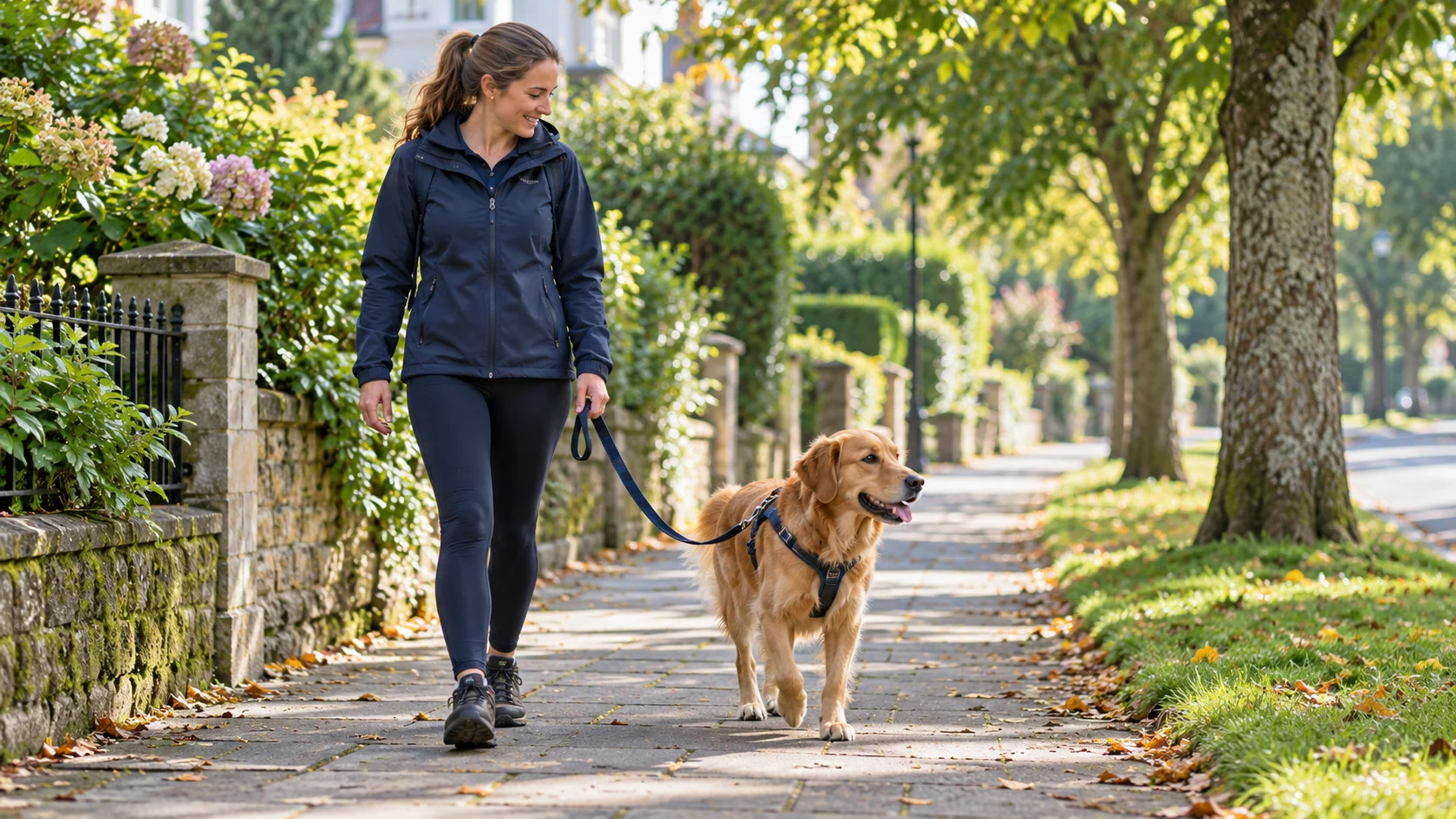
Starting a dog walking business sounds straightforward: find clients, grab a leash, and head outside. But before you accept your first booking, think beyond the walk itself.
What happens if a dog slips its harness? How will you enter a client’s home securely? Have you priced the time spent traveling between appointments? And what will you do if you become ill on a fully booked morning?
Use this dog walking business checklist to turn your idea into a service you can deliver confidently. The business and tax guidance below is geared toward the United States; confirm requirements where you operate.
1. Define Your Services and Boundaries
Start with a small, clearly described service menu rather than trying to meet every request.
Decide whether you will offer:
- Individual walks or walks with dogs from the same household.
- Short potty breaks, standard walks, or longer outings.
- Recurring weekday appointments or occasional bookings.
- Puppy visits and slower-paced senior dog walks.
- Weekend and holiday availability.
Explain whether a “30-minute walk” means 30 minutes outdoors or a 30-minute visit that includes putting on equipment, cleaning paws, and refreshing water.
For your launch, consider individual walks before introducing group outings. Set boundaries around the dogs you can safely handle, the services you are trained to provide, and whether you will transport animals.
Checklist: Write a one-paragraph description of each service, including its duration, inclusions, and limits.
2. Choose a Practical Service Area
Draw your initial service area around a manageable cluster of neighborhoods.
Build a sample schedule and include parking, building entry, elevators, collecting the dog, the walk, securing the home, and sending an update. Allow time for delays rather than booking every available minute.
For example, a 30-minute appointment plus 15 minutes of travel and administration occupies 45 minutes. Four appointments would therefore require three hours, before any additional buffer.
Visit your intended walking areas beforehand. Identify suitable sidewalks, quieter routes, shade, waste bins, and alternatives to crowded paths.
Set an initial daily capacity you can meet comfortably.
Checklist: Map your service area, trial your routes, and set realistic appointment windows.
3. Check Registration and Local Requirements
Before trading, investigate the requirements for your business structure, name, and location. The U.S. Small Business Administration explains that registration, licensing, and permit requirements depend on where and how a business operates. Do not assume another dog walker’s arrangements apply to you. (sba.gov)
Contact the relevant state and local offices. Ask about business registration, assumed-name registration, local business licenses, and any rules affecting a home-based business. Separately, check with park authorities about commercial dog walking, leash requirements, and restrictions on the number of dogs.
Choose your business structure with appropriate professional guidance. Also determine whether you need an employer identification number and any state tax registrations. (sba.gov)
Checklist: Record the requirements you have checked, complete applicable registrations, and calendar renewal dates.
4. Arrange Insurance Before Providing Care
Ask a licensed insurance professional about coverage specifically suited to dog walking. Pet Sitters International recommends insurance that covers the services provided, clients’ animals, and their property. (petsit.com)
Request written clarification about:
- Injury to other people or damage to their property.
- Injury, loss, or death of an animal in your care.
- Lost keys and associated replacement costs.
- Any exclusions involving group walks or transportation.
- Coverage for employees or substitute walkers, if applicable.
Ask specifically about animals in your “care, custody, or control.” Examine the policy’s limits, deductibles, exclusions, and conditions rather than assuming every veterinary expense will be covered. Pet-care insurance offerings can distinguish between accidental veterinary-expense coverage and claims involving negligence. (petsitllc.com)
Checklist: Confirm that coverage is active before your first appointment and keep the policy details accessible.
5. Price the Whole Job
Set prices using your total working time and operating costs—not just the minutes spent walking.
Build a worksheet covering insurance, supplies, transport, payment-processing fees, software, marketing, and unpaid administration. Add your target compensation and a reserve for unexpected expenses.
As an illustration, charging $25 for an appointment that occupies 45 minutes produces about $33.33 in gross revenue per working hour. That is not take-home pay: expenses and taxes still need to be accounted for.
Publish your policies for additional household dogs, holiday appointments, cancellations, and visits where you cannot gain access.
Checklist: Create a price list and test whether a realistic weekly schedule supports your income target.
Use our dog walking pricing guide to calculate the full cost of a booking.
6. Set Up Banking and Recordkeeping
Keep business transactions organized from the beginning. Consider a dedicated business bank account, and check the bank’s documentation requirements for your chosen structure. The SBA includes business banking among its core launch steps. (sba.gov)
Choose a bookkeeping method you will consistently maintain. Record payments, expenses, receipts, and business travel where relevant.
Self-employed people generally owe income tax and self-employment tax, and estimated tax payments may be necessary. Use IRS guidance or consult a qualified tax professional to determine your obligations rather than setting aside an arbitrary percentage. (irs.gov)
Checklist: Establish your payment process, expense records, and tax-planning routine before receiving revenue.
7. Build Your Handling and First-Aid Skills
Assess your experience honestly. Before accepting unfamiliar dogs, seek practical instruction in leash handling, equipment fitting, body language, and managing encounters without forcing contact.
Dogs communicate discomfort in different ways. Stiffening, avoidance, or growling can signal that an interaction needs to stop or change; a wagging tail alone does not establish that a dog is comfortable. Evaluate the individual dog rather than relying on breed or size. (avma.org)
Complete pet first-aid training. The American Red Cross offers a cat and dog first-aid course covering topics such as breathing emergencies, bleeding, and seizures. Treat training as preparation for responding appropriately while obtaining veterinary help. (redcross.org)
Checklist: Complete relevant training and define which handling situations you are not yet prepared to accept.
8. Prepare a Client Agreement
Before confirming care, provide a written service agreement. Have a qualified local attorney review it for your location and business model.
Include the service description, appointment arrangements, pricing, payment terms, cancellation policy, access arrangements, and emergency procedures. Obtain veterinary-care authorization and clarify how emergency expenses will be handled. Pet Sitters International identifies these as important areas for documenting the client relationship. (petsit.com)
Also propose clear policies for unsafe conditions, undisclosed behavior concerns, and situations where a walk must end early. Obtain separate permission for using pet photographs in marketing.
Checklist: Have a reviewed agreement ready and require completion before service begins.
9. Hold a Meet-and-Greet
Make an introductory meeting part of your booking process. Use it to assess suitability—not merely to collect keys.
Ask specific behavior questions. Has the dog ever bitten, snapped, lunged, guarded an item, or escaped? What happens around unfamiliar dogs, children, bicycles, or visitors entering the home? Specific questions are more useful than simply asking whether a dog is “friendly.” (petsit.com)
Collect the dog’s routine, health concerns, allergies, exercise restrictions, approved treats, veterinary contacts, and emergency-contact details.
Ask the owner to demonstrate the walking equipment and home-entry routine. If appropriate, take a short accompanied walk. Discuss how the dog may respond when the owner is absent.
Checklist: Complete an intake record and confirm that you can safely deliver the requested service.
10. Protect Keys, Access Codes, and Client Information
Create a documented process for receiving, storing, using, and returning keys. Pet Sitters International recommends secure handling of client data, keys, and alarm codes, alongside contingency planning. (petsit.com)
A practical approach is to label keys with an internal identifier rather than a client’s name and address. Store the corresponding information separately and restrict access.
Test keys, gates, and alarm instructions while the owner is present. Agree on what you should do if access fails.
Avoid publishing identifiable home details or real-time information about a client’s absence. Ask permission before sharing photographs.
Checklist: Test access, document the lock-up routine, and establish secure storage for client information.
11. Assemble Your Walking Kit
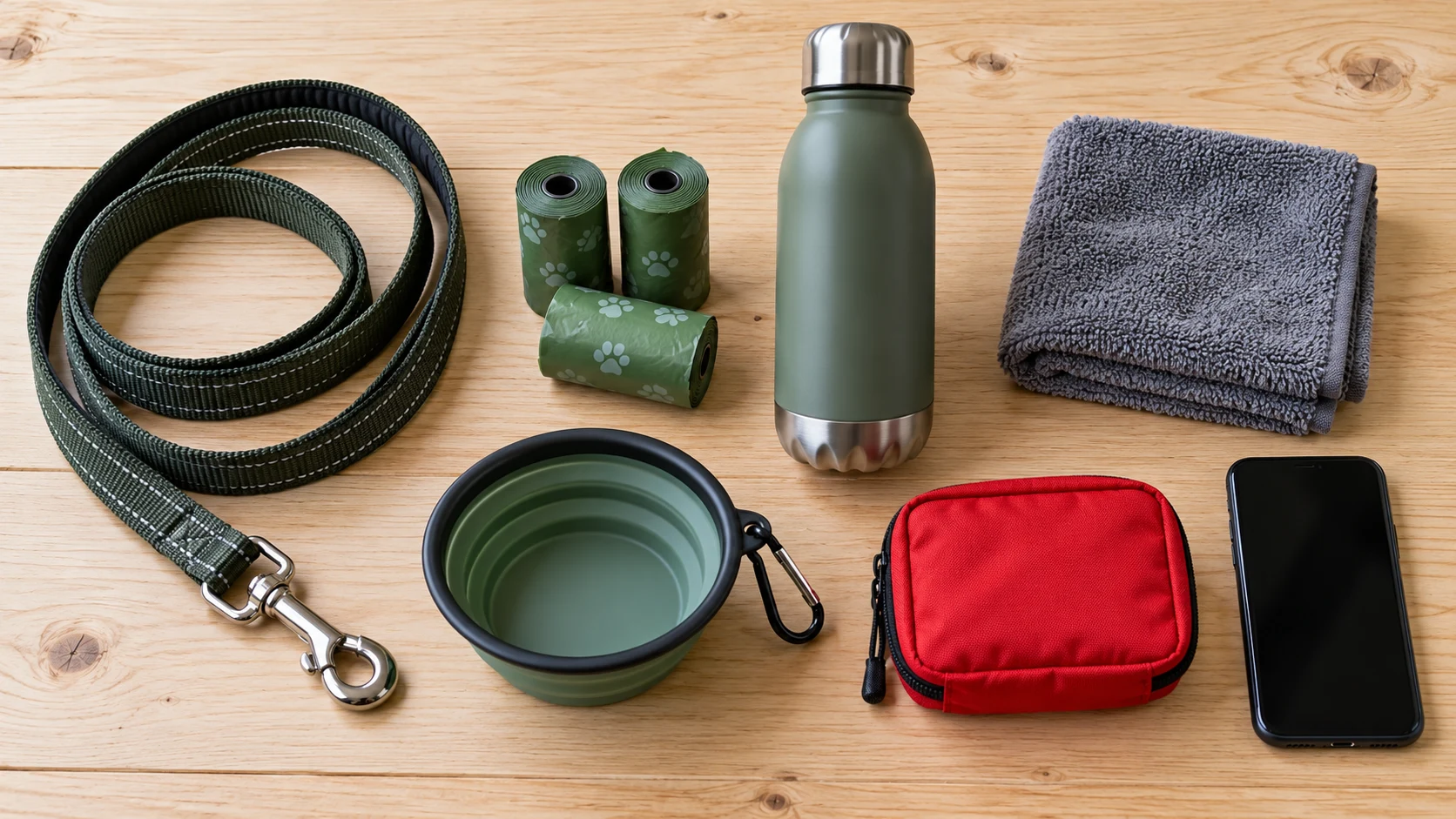
Prepare a compact kit around your services and training. Suggested items include:
- Waste bags and a spare supply.
- Fresh water and a portable bowl.
- A charged phone and backup battery.
- A suitable first-aid kit.
- Towels and hand-cleaning supplies.
- Weather-appropriate clothing and reflective accessories.
- Owner-approved treats, where appropriate.
Agree with each client on the equipment you will use. Make checking clips, stitching, fit, and identification part of your pre-walk routine. Do not improvise unfamiliar restraint equipment during an appointment.
Checklist: Pack your kit and use a repeatable equipment check before every walk.
12. Write Weather and Emergency Plans
Agree in advance on alternatives when outdoor conditions are unsafe, such as a shorter toilet break followed by indoor enrichment.
For hot weather, the American Veterinary Medical Association advises avoiding the hottest parts of the day and hot surfaces, providing water, and taking breaks. Individual health and breed-related factors can affect heat risk, so obtain relevant veterinary instructions from owners. Never leave a dog in a parked vehicle. (avma.org)
Prepare written steps for injury, escape, equipment failure, severe weather, and your own inability to attend. Keep the regular veterinarian, emergency clinic, owner, and backup contact readily available.
Excessive panting, drooling, unsteadiness, abnormal gum color, or collapse can be signs of heat stress requiring emergency veterinary care. (avma.org)
Checklist: Document emergency contacts, veterinary authorization, transport arrangements, and an owner-approved backup plan.
13. Test the Booking Experience
For your initial marketing, prepare a concise introduction covering your service area, availability, experience, and approach to care. Describe qualifications accurately and use only genuine testimonials.
Run a test booking from inquiry to payment. Check your intake form, agreement, calendar, reminder, invoice, and post-walk message.
Prepare a short update template covering the completed visit, toilet breaks, water, and anything unusual. Send urgent concerns promptly rather than leaving them in a routine summary.
Checklist: Complete a practice booking and resolve any confusing or missing steps.
Ready to test the process? Read how to start with one dog walking client.
Your Final Pre-Booking Check
Before accepting that first appointment, confirm:
- Services, prices, and boundaries are clear.
- Applicable registrations and permits are complete.
- Insurance is active.
- Payment and recordkeeping systems are ready.
- Training and equipment match the dog’s needs.
- The agreement and intake record are complete.
- The meet-and-greet has established suitability.
- Home access has been tested.
- Emergency and backup arrangements are agreed.
- Your schedule includes travel and contingency time.
You do not need elaborate branding or a fully booked calendar to begin. Aim instead for a service you can deliver safely, consistently, and honestly.
Frequently Asked Questions
Can I begin with just one dog?
Yes. One suitable booking lets you test your routines, but registration, insurance, owner instructions and safe handling still matter.
Does the checklist apply outside the United States?
The practical preparation can help elsewhere, but US registration and tax guidance does not replace local requirements. Check with the authorities and insurers where you operate.
Do I need a website before accepting a booking?
No. Clear service information and a dependable booking process matter more initially. Clients still need a way to contact you and review your terms.
Does the Blueprint replace training or insurance?
No. It is a planning resource. Use it alongside appropriate practical training, insurance and locally applicable professional advice.
Updated 13 October 2026. US business and tax context; confirm local requirements. Images are AI-generated illustrations.
Explore the blueprint collection for guides, planners and practical worksheets.