
Gardening Business Startup
Gardening Business Ideas: How to Choose Services That Match Your Skills
Compare practical gardening services, test your competence and choose a manageable first offer that fits your skills, equipment and working life.

Starting a gardening business does not mean offering every outdoor job someone might request. Your best starting point is a small group of services that fits what you can do well, the equipment you can manage and the working week you want.
Perhaps you enjoy careful planting but dislike machinery. Perhaps you prefer mowing and tidy edges to designing borders. Both are useful starting points for shaping an offer.
This guide will help you compare gardening business ideas, identify your boundaries and choose services to test before committing to expensive equipment or a crowded diary.
Want a complete planning system? The Gardening Business Startup Bundle includes service selectors, pricing tools, marketing resources, editable workbooks and an eight-tab business tracker.
Get the Gardening Business Startup Bundle — £9.99 on Payhip (opens in a new tab)Start with your skills, not someone else’s service list
Make three lists: tasks you can confidently deliver now, tasks you could offer after further learning, and tasks you do not want to take on.
Be specific. “Good at gardening” is difficult to assess. “Can identify plants in a familiar border, remove weeds carefully and leave the area tidy” gives you something concrete to build on.
- Have I completed this successfully more than once?
- Can I explain the method and recognise when not to proceed?
- Can I work safely and estimate the time reasonably?
- Would I still want to do it several times a week?
Include communication, organisation and reliability. You will need to clarify requests, agree boundaries and keep customers informed.
Seven gardening business ideas to consider
1. Regular weeding and border maintenance
This may suit detailed workers with enough plant knowledge to distinguish wanted plants from unwanted growth. Define the tasks rather than promising to “look after everything”. Assess kneeling, bending and repetitive work before booking a full diary.
2. Lawn mowing and edging
Consider mowing if you can operate, transport and maintain equipment safely. Include access, obstacles, slopes, cleaning and clippings—not just cutting time. Keep specialist lawn treatments separate unless you have the relevant competence.
3. Containers and seasonal planting
This may suit someone who enjoys choosing plants and creating coordinated displays. Clarify who buys plants and compost, whether sourcing time is charged and who waters afterwards. Separate materials from labour.
4. Light seasonal garden tidy-ups
Define “light” carefully. Leaf collection and a border tidy are not the same as reclaiming a heavily overgrown plot. Inspect before quoting and write waste handling and exclusions into the quote.
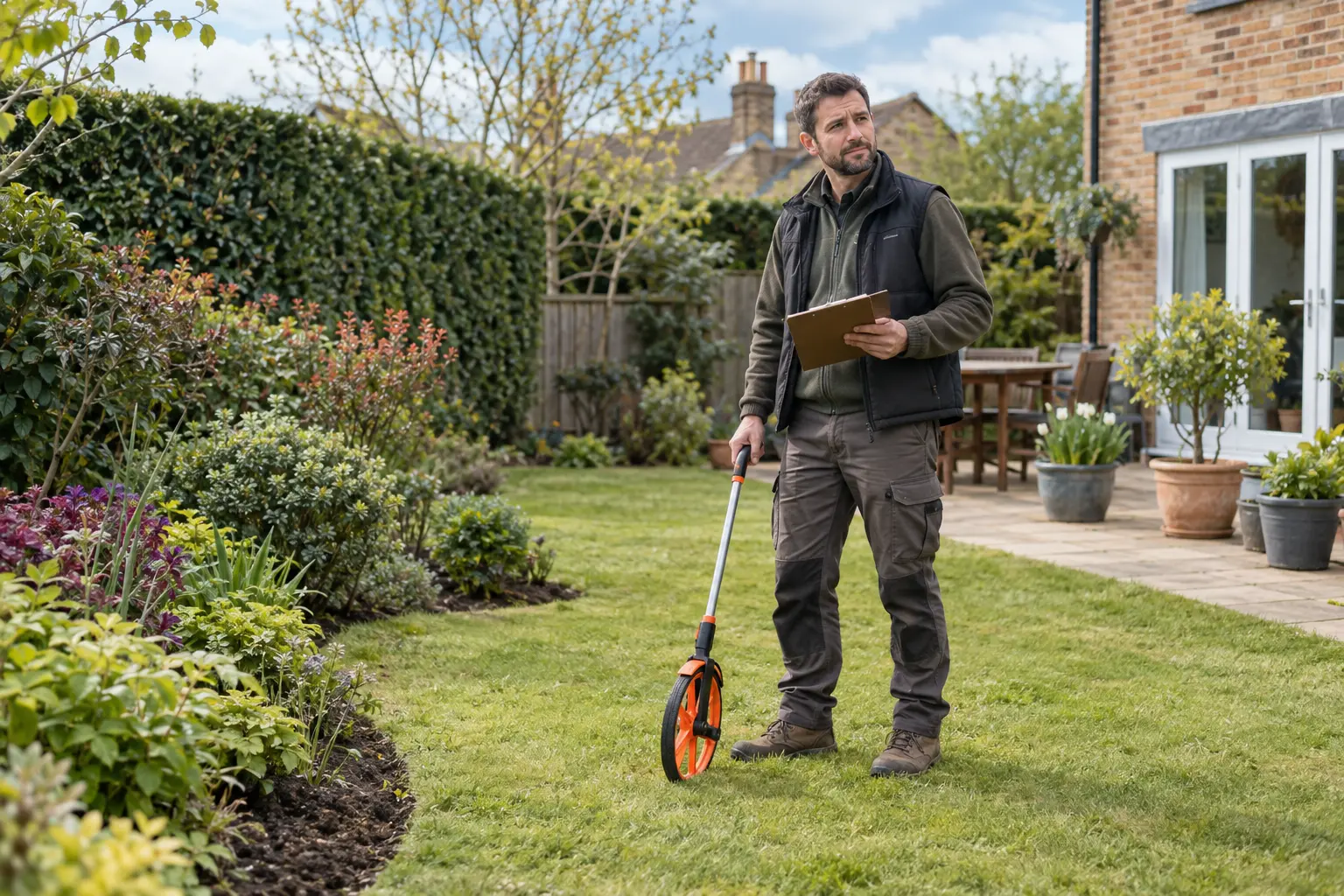
5. Holiday watering and garden checks
This can suit someone who can commit to agreed visits while customers are away. Use written instructions covering plants, water access, visit frequency, security and emergency contacts. Check travel time carefully.
6. Vegetable-bed and kitchen-garden support
Consider this if you have practical growing experience you can explain and repeat. Agree who provides ongoing care, avoid promising a particular harvest and check allotment tenancy rules before accepting paid work.
7. Plant-specific pruning and shrub care
Offer this only where your knowledge matches the plants and work involved. Start with familiar plants, appropriate tools and work you can safely reach. Do not turn shrub care into unfamiliar tree work or high-hedge cutting.
Match the service to your working life
Compare each idea with your available hours, transport, storage and physical capacity. If you are keeping another job, can you reliably fulfil watering visits? If storage is limited, does a machinery-heavy offer make sense? If kneeling is uncomfortable, is a diary dominated by low border work realistic?
Do not describe a service as easy simply because it uses few tools. Try a realistic session, including setup and clearing away, before deciding how much work to book. Your plan should fit a week you can sustain.
Use a simple service-selection exercise
Choose three possible services. First apply a pass-or-pause check: do you have the competence, safe working arrangements and appropriate cover? If not, put it on your learning list.
For services that pass, score enjoyment, practical fit, affordable setup, customer evidence and earning potential from one to five. Use scores to expose questions, not manufacture certainty. Where evidence is missing, write “untested” and decide how to investigate it.
Check the whole job, not just the visible work
Calculate a sample booking from enquiry to payment. Include travel, sourcing, loading, setup, gardening, clearing away and administration. Add materials, disposal and other direct costs.
Illustrative container-refresh calculation
A refresh brings in £120, including £45 of materials. Another £10 covers direct travel and consumables, leaving £65. If sourcing, travel, planting and administration take three hours, that is about £21.67 per total working hour before general overheads and tax.
These are invented planning figures, not a recommended price. Use the calculation to test your own service.
Agree what happens to garden waste. If transporting it, check registration, documentation and disposal requirements for your UK nation. Our gardening business startup-costs guide explains how to separate setup spending, recurring costs, job-specific costs and reserves.
Build a small offer around a clear customer need
Choose one core service and one or two related additions. For example: a detail-focused gardener might offer border maintenance with planting and container refreshes; an equipment-confident operator might offer small-lawn mowing with scoped leaf collection; an experienced food grower might offer vegetable-bed preparation followed by agreed maintenance.
Describe the customer and result in plain language: “Regular help keeping small gardens manageable” is easier to understand than a long list of loosely related services. Keep exclusions visible.
Test before expanding
Test a few tightly scoped jobs before investing in a wider offer. Record quoted time, actual time, costs, customer feedback and how manageable the work felt. Ask whether you would want five similar bookings next week.
Use the results to refine the service, change the price or decide it is not a good fit. Only add equipment when you understand the work it will support.
Your starting-service worksheet
My core service: One clear offer
My evidence of competence: Relevant experience, training and completed work
My intended customers and area: Who and where
Included and excluded tasks: Clear boundaries
Equipment and checks needed: What must be ready
Sample job calculation: Price, costs and total time
My first test and review date: A manageable next step
Frequently asked questions
Which gardening service should a beginner offer?
Choose a task you can already complete safely and competently. No service is automatically suitable for every beginner.
Should I specialise or offer general maintenance?
Either can be a starting approach. Define general maintenance just as carefully as a specialist offer and test local demand.
Which gardening service earns the most?
Do not choose by headline price alone. Compare what remains after costs with total time. Your own job records provide better evidence. See our guide to setting a self-employed gardener’s hourly rate.
Can I start without powered equipment?
Consider a hand-tool-focused offer if it suits your abilities and intended jobs. Include transport, protection and waste arrangements.
What should I do when a customer requests unfamiliar work?
Explain your limits and decline or recommend an appropriately competent specialist. Do not experiment on a paying customer’s garden.
Choose an offer you can stand behind
Turn your gardening skills into a workable service
The Gardening Business Startup Bundle helps you choose services, calculate prices, prepare marketing and organise customers, expenses and goals.
Buy the Gardening Business Startup Bundle — £9.99 on Payhip (opens in a new tab)Guidance checked September 2026. This article provides general business information, not individual tax, legal, insurance, waste or health-and-safety advice. Confirm current requirements with GOV.UK, the relevant regulator and appropriately qualified advisers.
Explore the blueprint collection for guides, planners and practical worksheets.