
Dog Walking Business Startup
How to Start a Dog Walking Business With One Client
Start small with one suitable dog walking client: define your service, prepare for the first walk, price the full job and build reliable routines before growing.
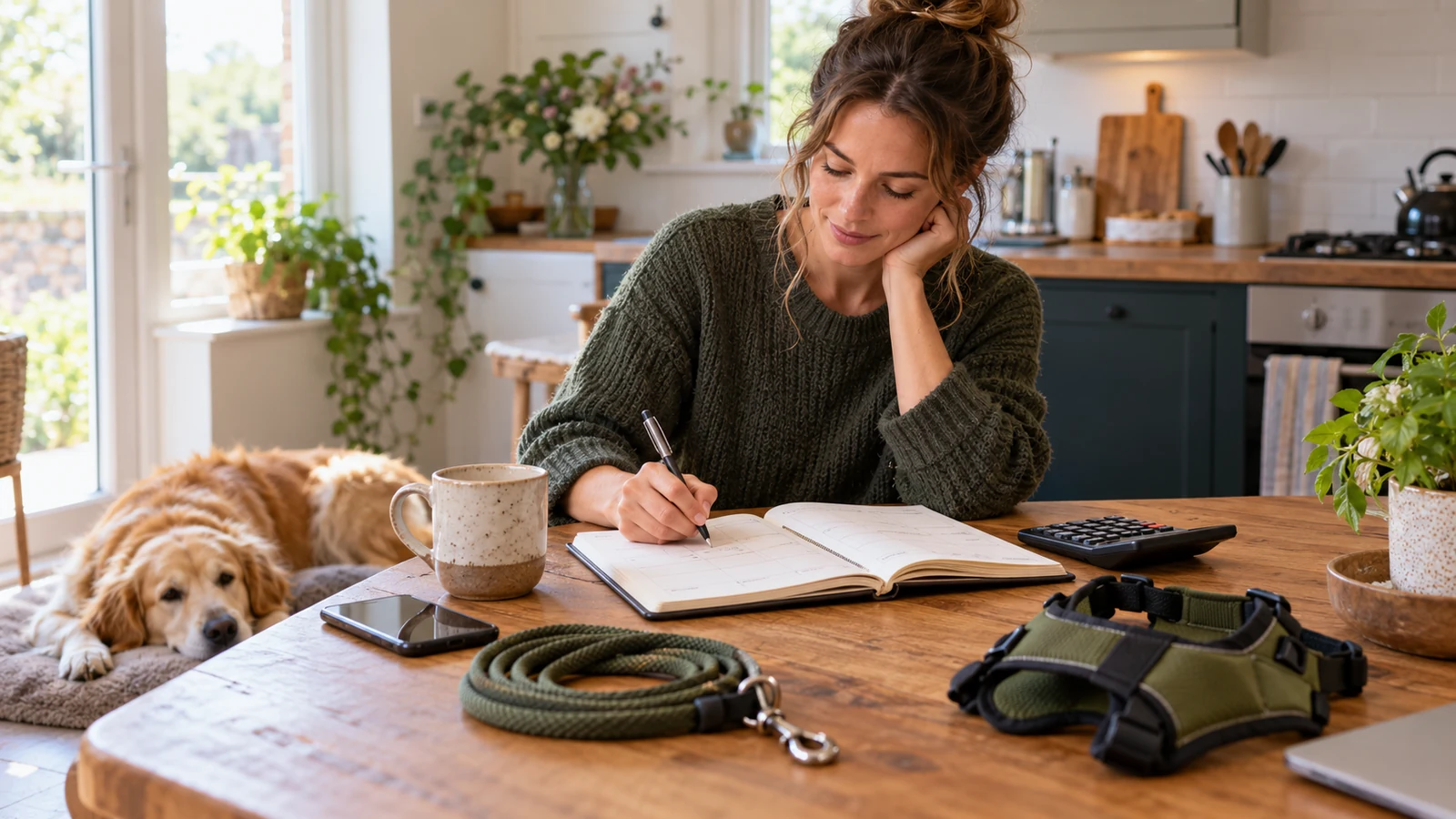
Starting a dog walking business can feel like a big undertaking. You may be wondering whether you need a full client list, expensive equipment or a polished website before you begin. In practice, one suitable client can be enough to test your idea and learn what running the service involves.
Starting small gives you time to build reliable routines, understand your costs and decide which services suit your skills. It also helps you find out whether there is local demand before you commit to a larger workload. The key is to treat your first booking professionally, with clear expectations and careful attention to the dog’s needs.
Can one client be enough to start?
One client is enough to begin testing a dog walking service, provided you have completed the necessary checks for your location and are prepared to care for the dog responsibly.
Your first client can help you learn how long journeys take, how much time you need for messages and recordkeeping, and whether the agreed price covers your costs. You can also ask for feedback and use the experience to improve your service.
However, one client is not a reliable measure of long-term income. A client may change their schedule, move away or no longer need regular walks. Treat the first booking as a practical starting point, then build a small number of suitable clients over time.
Organise your first booking with a practical toolkit. The Dog Walking Business Startup Kit combines a 107-page ebook, ten printable tools and a Start Here guide. Use the 30-Day Launch Roadmap, Client and Dog Profile, meet-and-greet assessment and walk safety card to prepare your first service.
Buy the Dog Walking Business Startup Kit on Payhip1. Check local requirements before accepting bookings
Rules for dog walking vary by country, region and local authority. Before advertising or taking payment, check what applies where you plan to operate. This may include business registration, insurance, permissions for using certain public spaces, restrictions on the number of dogs walked together, or other local requirements.
Consider contacting your local authority or a relevant professional organisation for current guidance. If you are unsure about tax, business structure or insurance, seek qualified advice for your location.
You should also confirm that the service you plan to offer is within your experience. Walking one calm, familiar dog is different from handling several dogs with different needs. Be honest about your abilities and decline work that you cannot safely provide.
2. Choose one clear service to offer
A simple first offer is easier to explain and deliver than a long list of options. For example, you might offer a scheduled solo walk of an agreed length in a defined local area.
Decide what the service includes:
- The walk duration and approximate time window
- Whether the dog is walked alone or with other dogs
- The areas you cover
- How collection and return work
- What happens in poor weather
- How you send updates after the walk
- Your booking, cancellation and payment terms
Avoid promising specific results, such as correcting behaviour or providing formal training, unless you have the appropriate skills and qualifications. A dog walking service can include positive, routine-based handling, but its scope should be clear to the owner.
3. Find a suitable first client
Your first client may come through someone you know, a local community group, a noticeboard or a referral. Wherever you find them, take time to check that the dog, owner and service are a good fit.
A short introduction should explain:
- Who you are and the service you offer
- The area you cover
- Your availability
- Whether you offer solo or group walks
- How a prospective client can arrange a conversation
Keep the wording factual. Do not claim experience or credentials you do not have. If you are new, you can say that you are starting with a small number of bookings and explain how you will approach introductions and care.
4. Hold a meet-and-greet before the first walk
Do not treat a message exchange as enough preparation. Meet the owner and dog before accepting the booking, ideally in a setting where you can talk calmly and observe the dog.
Ask the owner about the dog’s usual routine, preferred equipment, handling needs, recall, triggers, health information and emergency contacts. Ask what the dog enjoys and what situations the owner wants you to avoid. Confirm who is authorised to give instructions and what to do if the owner cannot be reached.
Observe how the dog responds to you, to the equipment and to the proposed walk plan. If you are uncertain about the dog’s needs, suggest a gradual introduction or decline the booking. The dog’s welfare and public safety come first.
Before the first walk, agree on access arrangements, keys if relevant, collection and return instructions, and how updates will be shared. Get the owner’s permission before taking or sharing photographs.
5. Set a price that covers the full job
A first client can be useful for testing your pricing, but avoid setting a price so low that you lose money or cannot sustain the service.
Calculate the time involved beyond the walk itself. Include travel to and from the client, preparation, messages, recordkeeping, insurance and supplies. Check prices offered by other dog walkers in your area, while remembering that services may differ in duration, location and level of care.
Put the agreed price in writing, along with the walk length, payment timing and cancellation terms. If you later change your prices, give clients clear notice and explain when the new rate will begin.
For a fuller calculation, read our guide to how much to charge for dog walking. It explains how travel, unpaid tasks and realistic capacity affect your rate.
6. Prepare a basic, dependable setup
You do not need a large inventory to walk one dog. You do need a reliable routine and equipment suited to the agreed service.
Depending on the dog and the owner’s instructions, your setup may include:
- A secure way to carry your phone and emergency contacts
- Waste bags and a safe way to dispose of them
- Water when conditions or the walk require it
- Suitable clothing and visible gear for the weather
- A written record of the dog’s details and instructions
Use the owner’s preferred lead or harness unless you have agreed otherwise. Check that it fits and appears secure before leaving. Do not change equipment without the owner’s consent.
If you want to make the service more sustainable, consider practical steps such as walking or cycling between nearby bookings where safe, choosing durable supplies and disposing of waste correctly. Make specific claims about environmental benefits only when you can support them.
7. Make the first walk predictable
For the first outing, choose a familiar, manageable route and allow time to observe how the dog responds. Avoid adding unfamiliar dogs, busy locations or strenuous activities unless they are appropriate and agreed with the owner.
Before leaving, check the equipment, confirm the dog’s instructions and make sure you have the owner’s contact information. During the walk, pay attention to traffic, other dogs, weather, the dog’s energy and signs that the route should be shortened or changed.
After the walk, return the dog as agreed and send a brief update. Mention the route or duration, how the dog seemed and anything the owner should know. Keep the message factual and respectful of the owner’s privacy.
8. Keep simple records from day one
A small client list still needs organised records. Keep the owner’s contact details, emergency contact, dog-care instructions, permissions, booking dates, payments and any incidents or changes to instructions.
Store personal information securely and collect only what you need to provide the service. Make sure you understand any data protection requirements that apply where you operate.
A basic diary or calendar can prevent booking mistakes. A separate income and expense record can help you understand whether the service is financially worthwhile. Keep business records in a consistent place rather than relying on memory or scattered messages.
If you are using printed worksheets, our guide to making your PDF planner work for you explains how to keep one current working record.
9. Ask for feedback and improve the service
After several walks, ask the client what is working well and whether any part of the arrangement could be clearer. You might ask about the timing, updates, route choices or how their dog seems after the walk.
Use feedback to improve your process, but keep appropriate boundaries. A request that changes the service significantly should be discussed, priced and agreed before you take it on.
If the client is happy, they may be willing to recommend you to someone nearby. You can ask for an honest review or referral without pressure. Never share a client’s name, home address or dog’s images in promotional material without permission.
10. Grow only when the first booking is running smoothly
One client can show you whether the work fits your schedule and skills. Before adding more bookings, review what you have learned:
- Does the price cover your time and costs?
- Can you arrive reliably and deliver the agreed walk?
- Are the owner’s instructions clear and current?
- Do you have enough time for travel and administration?
- Is the dog comfortable with the arrangement?
- Are there local rules or capacity limits to consider?
Add clients gradually, preferably in a compact area so travel does not crowd out care time. Do not accept more dogs than you can manage safely. If you later add group walks, pet sitting or specialist services, review the risks, requirements and skills involved before promoting them.
A first-client launch plan
Before the booking: Check local requirements, define your service, arrange appropriate cover and prepare written terms.
Before the first walk: Meet the owner and dog, collect care instructions, confirm permissions and agree on access, price and updates.
After each walk: Send a clear update, record the booking and payment, and note any relevant changes or incidents.
After a few walks: Review your time, costs, routine and feedback. Then decide whether to continue with this client, adjust the offer or seek a second suitable client.
Keep the launch manageable with our guide to turning a big project into a weekly plan. Choose a few specific tasks rather than trying to complete every business decision at once.
Frequently asked questions
Can I start dog walking with no experience?
You can start small, but you still need to be capable of handling the dogs you accept. Learn about safe handling, dog body language and emergency procedures, and be transparent about your experience. Decline dogs whose needs exceed your current skills.
Do I need insurance before walking my first client’s dog?
Insurance requirements and suitable cover depend on where you operate and what services you provide. Check local requirements and speak to an insurer or qualified adviser before beginning. Do not assume that a client’s household policy covers your business activity.
How much should I charge my first client?
Base your price on local rates, the time required, travel, costs and the service provided. Make sure the client understands what the fee includes. A low introductory price should have clear limits and an agreed end date if you plan to change it.
Should my first walk be a group walk?
A solo walk is often easier to manage while you learn the dog’s routine and your own process. Only offer group walks when you can assess compatibility, manage the dogs safely and follow applicable local rules.
How do I find a second client?
Once your first service is running reliably, ask for an honest review or referral, share a clear description of your offer in appropriate local channels, and make it easy for prospective clients to arrange a meet-and-greet.
Start with a careful first step
You do not need a full diary to learn whether dog walking could become a business. One suitable client can help you test your service, build good routines and understand the work involved. Start with clear terms, check the rules that apply locally, put the dog’s welfare first and grow only as your experience and capacity allow.
Explore the blueprint collection for guides, planners and practical worksheets.