Your First Year on an Allotment
How Much Does a New Allotment Really Cost in the First Year?
A realistic UK allotment budget covering rent, tools, compost, seeds, water, fencing and the expenses beginners often overlook.
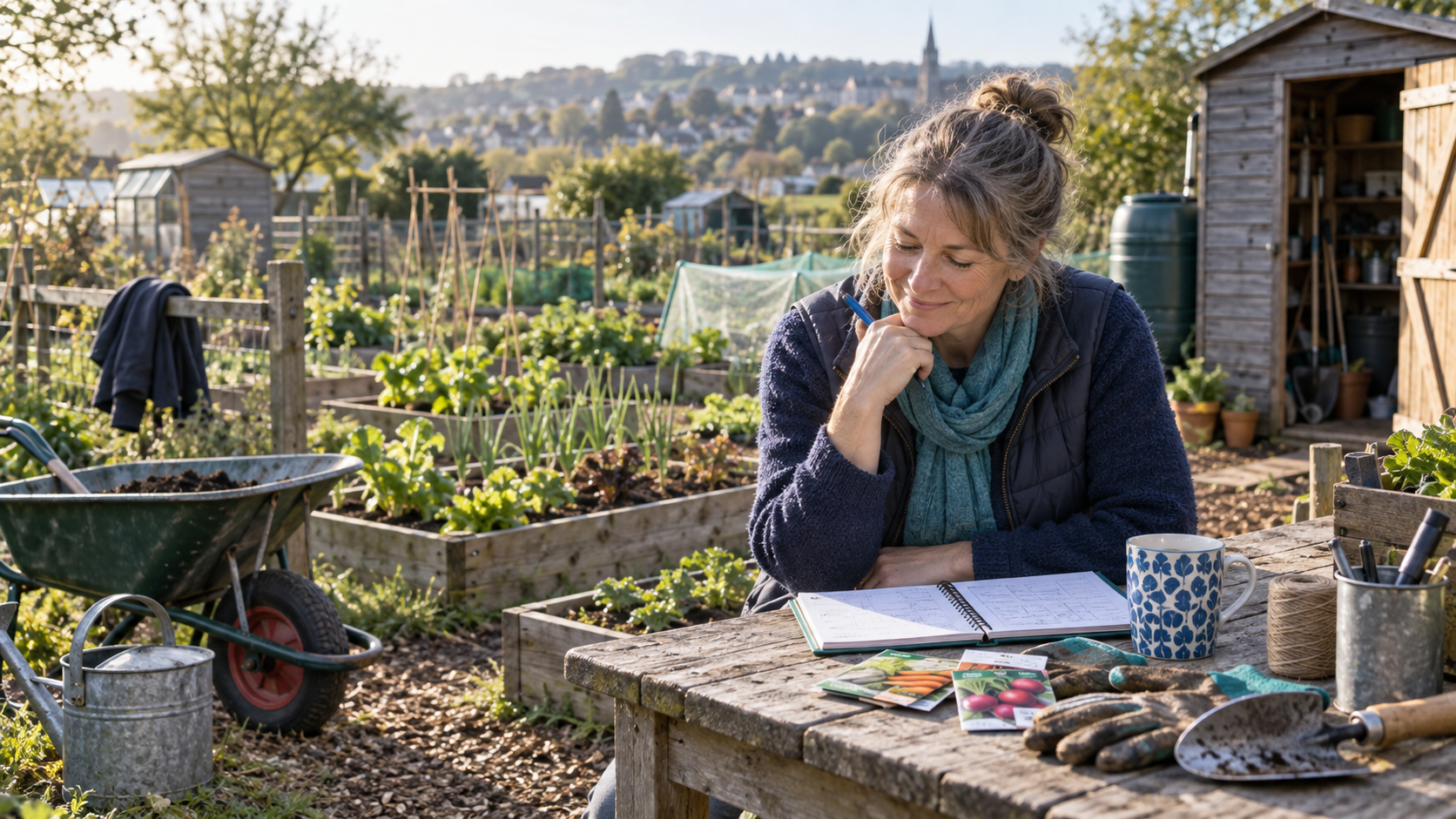
Taking on an allotment is exciting, but the annual rent is only one part of the cost. The first year can involve tools, compost, seeds, water, fencing, repairs and a few purchases you did not expect when you joined the waiting list.
The good news is that you do not need to buy everything at once. A sensible first-year budget starts with the essentials, works with what the plot already provides and leaves room for learning.
For a modest UK plot, a careful beginner might spend roughly £250–£700 in the first year, excluding major structures or paid clearance. Your local rent, plot condition and what you already own will make the biggest difference.
1. The unavoidable costs
Begin by confirming the charges with your allotment association or local authority. These vary considerably between sites.
| Item | Typical planning allowance | What affects it |
|---|---|---|
| Annual plot rent | £25–£150+ | Local authority, plot size and concessions |
| Water charge | £0–£60+ | Included, metered or charged by the site |
| Seeds and seed potatoes | £25–£80 | How many crops you grow and whether you swap seeds |
| Compost and soil improvers | £40–£150 | Existing soil, free manure and how much area you cultivate |
| Basic tools | £80–£250 | What you already own and whether you buy second-hand |
| Fencing and protection | £25–£150 | Rabbits, pigeons, theft risk and site rules |
| Gloves, labels and small items | £20–£50 | Easy-to-forget replacements and consumables |
These figures are planning ranges, not fixed prices. Check your own agreement before accepting a plot, especially for water, deposits, insurance or compulsory charges.
2. The first-year tool list
You can begin with a spade or fork, hoe, rake, hand trowel, secateurs, watering can, wheelbarrow and a pair of gloves. Add a measuring tape, string line and harvest trug when they solve an actual problem.
Ask experienced plot holders whether they have spare tools before buying. Local reuse groups, car-boot sales and second-hand marketplaces can reduce the cost, but inspect wooden handles, blades, wheels and rust before paying.
A petrol rotavator, greenhouse or large shed can transform the budget. Treat these as separate decisions, not automatic first-year purchases.
3. Compost, manure and soil costs
Do not assume that an entire plot needs to be covered immediately. Clear and assess one manageable area, then improve the beds you are genuinely ready to plant.
Ask whether your site provides communal compost, leaf mould or well-rotted manure. Check what materials are permitted and whether manure has been properly rotted. Buying bags from a garden centre is convenient but often the most expensive way to improve a large plot.
Mulching with suitable organic matter can help protect soil and reduce watering. That matters more as UK growers face hotter, drier spells and unpredictable weather. The RHS recommends organic matter and mulching as part of sensible water management. Read the RHS guidance on mulches.
4. Seeds: spend for food you will actually eat
A common beginner mistake is buying too many seed packets. Choose vegetables your household enjoys and sow small quantities at intervals. Lettuce, radish, spring onions, beans, courgettes, potatoes and herbs can provide useful early successes, but your own meals should decide the list.
Seed swaps, shared orders and saving seed where appropriate can reduce costs. Keep a record of what you bought and where it was planted so you do not duplicate purchases next season.
5. Fencing and crop protection
Protection costs depend on your site. A plot with rabbits may need buried wire; a pigeon-heavy site may need netting; a windy plot may need stronger supports. Check the rules before installing permanent fencing, fruit cages, polytunnels or structures.
Do not buy every type of netting on day one. Watch what is eating your crops, then choose protection for the actual problem. Secure netting carefully so it cannot trap wildlife.
6. Hidden costs beginners often miss
- Transporting compost, manure and tools to the plot.
- Replacement handles, blades, gloves and watering cans.
- Slug protection, plant supports, labels and twine.
- Printing plans or buying a notebook to record jobs and crops.
- Clearing rubbish or paying for specialist help on a neglected plot.
- Watering time and travel when the weather is dry.
These small amounts can quietly push a budget upwards. Keep a simple running total from the first visit rather than trying to remember everything at the end of the season.
7. Three sensible first-year budgets
The minimum-start budget: about £250–£350
Use existing tools, buy only essential seeds, cultivate a small area, source free or inexpensive organic matter and delay structures. This is the best approach if you want to learn before committing more money.
The comfortable beginner budget: about £400–£700
Allow for a basic tool set, several beds, bought compost, crop protection and a wider range of seeds. You can still save by buying second-hand and growing in stages.
The major-clearance budget: £800+
A neglected plot, paid rotavation, extensive fencing, a shed or greenhouse can take the total much higher. Get permission and written estimates before paying for work, and do not assume an expensive clearance is automatically the best long-term solution.
8. How to keep your allotment affordable
- Measure the plot before buying materials.
- Make a first-month shopping list and a later list.
- Start with a small growing area you can maintain.
- Borrow or buy second-hand tools where safe.
- Ask about site resources and local seed swaps.
- Grow crops you will eat, freeze or preserve.
- Keep a spending record alongside your planting record.
9. Your first-year budget checklist
- I know the annual rent and every compulsory site charge.
- I have checked whether water is included or billed separately.
- I have inspected the plot before buying materials.
- I know which tools I already own.
- I have chosen a short list of crops we will actually eat.
- I have checked site rules before planning fencing or structures.
- I have kept money aside for unexpected repairs or clearance.
- I have allowed for travel, water and regular maintenance time.
Guidance checked September 2026. Costs are approximate UK planning ranges and vary by site, region and plot condition. Confirm local charges and rules with your allotment authority or association.
Explore the blueprint collection for guides, planners and practical worksheets.