
Business startup & self-employment
How to Start a Mobile Car Valeting Business in the UK: A Beginner’s Guide
A practical UK guide to choosing services, planning equipment and costs, setting prices, checking wastewater requirements and finding your first valeting customers.
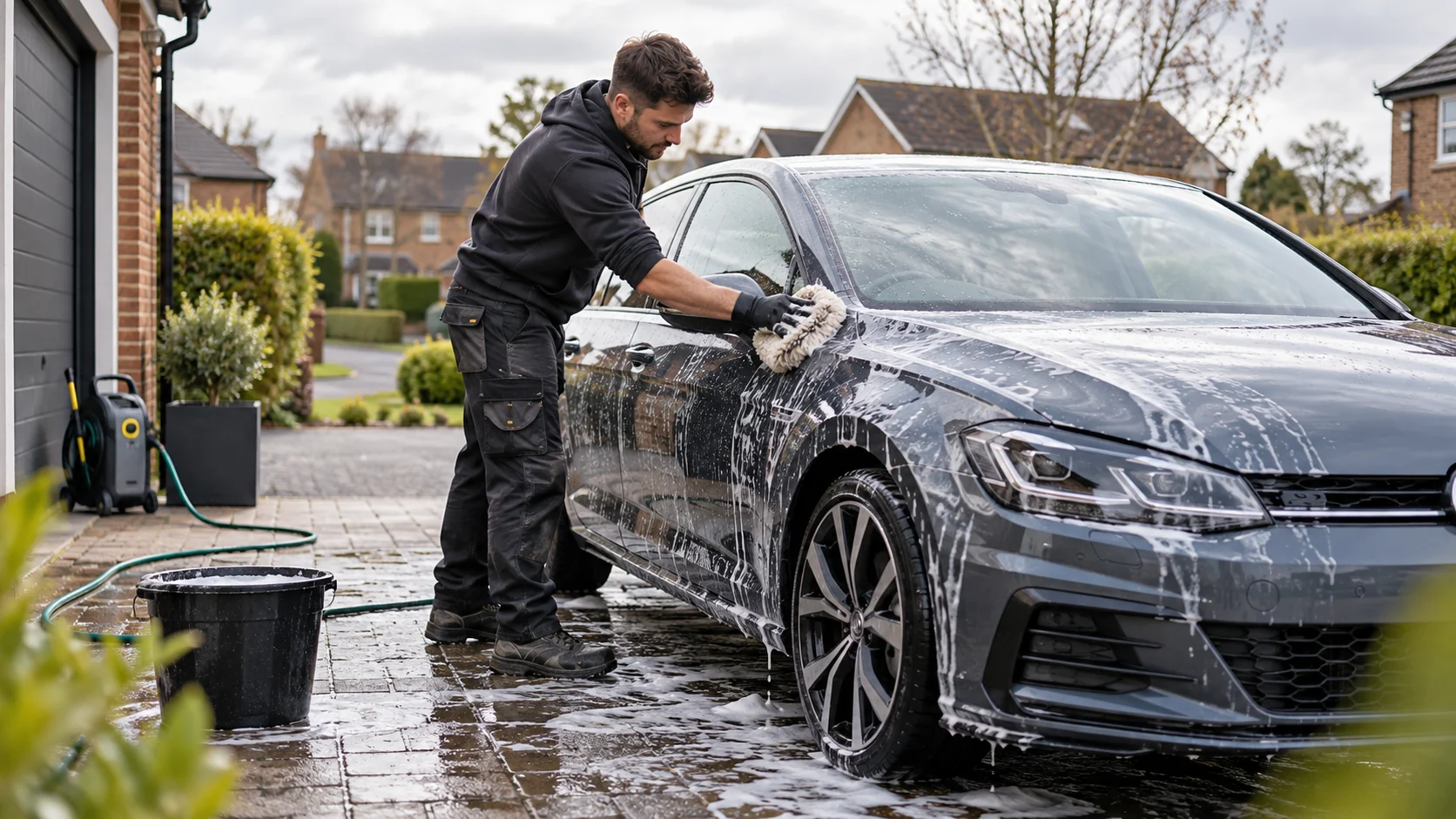
Starting a mobile car valeting business can be an appealing way to build a practical local service. You travel to the customer, work on their vehicle at home or at work, and earn by delivering a result they can see. The flexible format is attractive, but a sustainable business takes more than a pressure washer and a social media page. You need a clear service, a workable setup, realistic prices, careful customer handling and a plan for water and wastewater.
This guide takes you through the decisions in a useful order. If you want a structured companion, our mobile car valeting business package includes an 81-page beginner’s ebook and 12 practical PDF tools for planning, pricing and marketing. You can view the complete package on Payhip if you are ready to explore it.
1. Decide what kind of valeting service to offer
“Mobile valeting” can mean anything from a maintenance wash to a thorough interior and exterior clean. Before buying equipment, choose a first service that matches your skill, available time and working conditions. A simple menu might include:
- Maintenance wash: a regular exterior clean for vehicles that are already in reasonable condition.
- Interior refresh: vacuuming, wipe-downs and glass cleaning, with the exact scope stated clearly.
- Full in-and-out valet: a defined combination of interior and exterior work that takes longer and needs more products.
- Optional add-ons: services such as upholstery extraction or machine polishing, only when you have the training, equipment and insurance cover for them.
Valeting and specialist detailing are not interchangeable labels. Be honest about the finish you can deliver and do not advertise paint correction, stain removal or protection treatments as guaranteed outcomes. Describe the tasks included, the time allowed, and any conditions that can change the result.
Choose an initial customer group too. Busy households, commuters, taxi or private-hire drivers, small company fleets, used-car dealers and office workers may value different booking times and service packages.
2. Check demand in your area before spending heavily
Search for local valeters and detailing businesses within the area you could realistically cover. Note their services, booking availability, customer reviews, travel areas and how they explain their prices. This is market research, not a reason to copy another operator’s price list. Look for gaps you can serve: convenient workplace appointments, recurring maintenance, clear booking windows, or a strong focus on interior cleaning.
Think through the geography. A scattered diary can turn a well-paid job into an unprofitable day once fuel, travel time, parking and setup are counted. Start with a compact service area and group appointments by location where possible.
3. Choose a setup that fits your first customers
There is no single correct vehicle or equipment model. Some operators carry supplies in a car; others use a van. Some need the customer to provide access to water and power, while others invest in a self-contained setup. Each choice changes startup cost, storage, operating time and the locations where you can work.
Write down what your first services require: water, electricity, secure storage, safe chemical transport and enough room to work around the vehicle. Confirm the arrangement with the customer before accepting a booking. If a job depends on a tap, socket, suitable parking or permission to work on a site, make that clear when quoting. Do not assume a workplace or car park allows commercial washing.
4. Make a starter equipment list
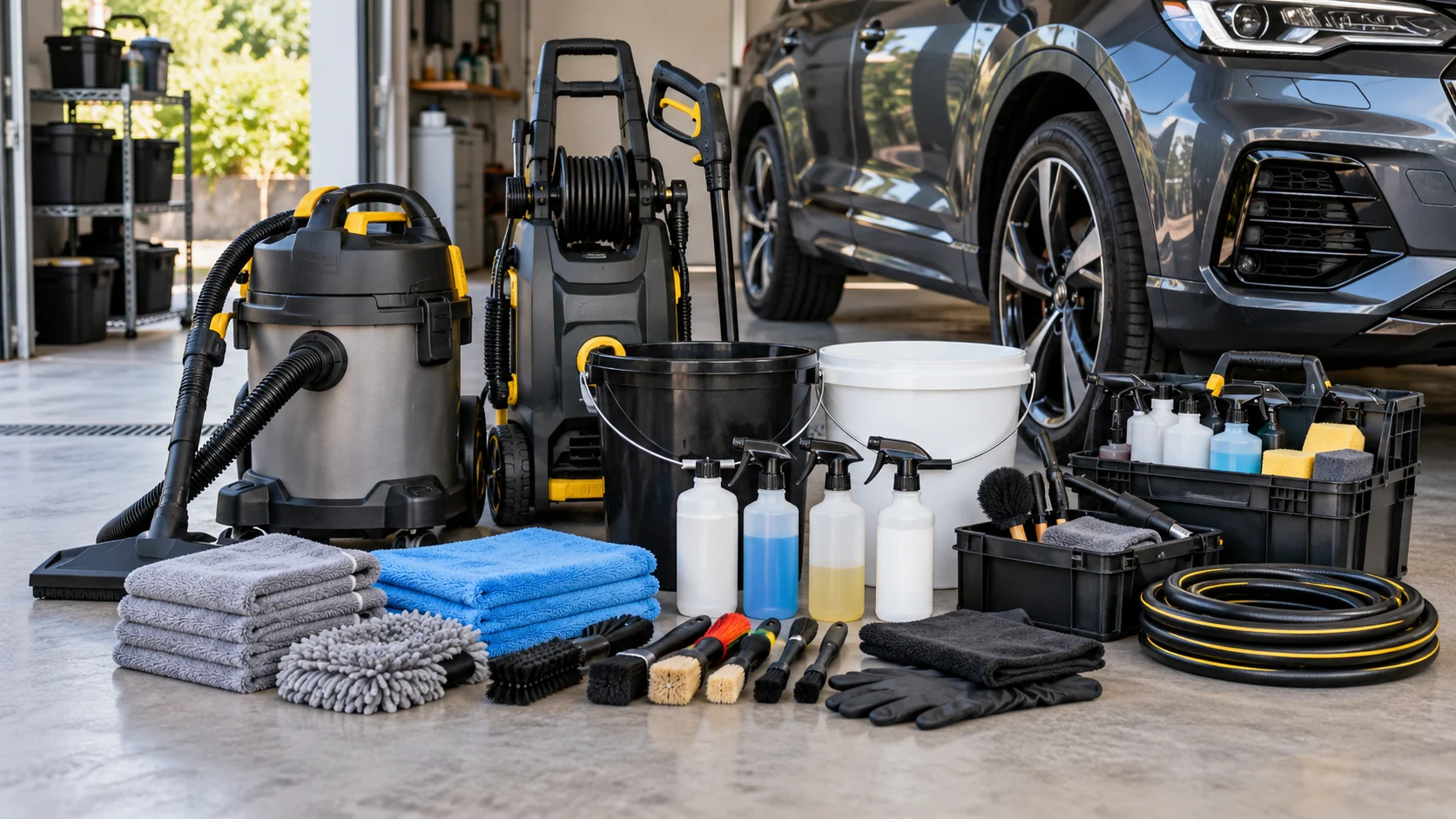
Build your kit around your first menu rather than buying every product you see recommended online. A basic service might require wash buckets, wash mitts, drying towels, suitable car shampoo, glass cleaner, interior cloths, brushes, a vacuum, and safe containers for transporting supplies. Depending on your chosen service, you may add a pressure washer, water tank, generator or wet extraction machine later.
5. Calculate startup costs and keep a cash buffer
Your budget will depend on whether you already own a suitable vehicle and equipment, which services you offer, and whether you need a water or power solution. Include more than the obvious kit. List:
- Vehicle purchase or adaptation, business-use insurance and maintenance.
- Equipment, storage, products, protective gear and replacements.
- Business registration or professional advice where relevant, website or booking tools, and payment fees.
- Marketing materials, phone costs, parking and travel between appointments.
- Training, policy premiums and a reserve for repairs, cancellations or quieter weeks.
Separate one-off startup purchases from weekly running costs. Estimate how many jobs you need each week to cover the latter, then test whether that booking level is realistic with your travel area and service times. Leave a cash buffer instead of committing every pound to equipment. A cash-flow plan should account for money going out before customer payments arrive.
The companion mobile valeting package includes PDF planning tools that help organise startup decisions, estimate costs and shape a service offer. You can also use the UK guide to pricing a cleaning job as a general pricing framework for allowing for time, travel, overhead and billable capacity.

6. Set prices using the complete job time
Do not price only by the minutes spent washing the vehicle. Count the whole booking: enquiry and quote, travel, loading, setup, cleaning, pack-down, payment handling and follow-up. Allow for products, fuel, vehicle costs, insurance, equipment replacement, marketing, tax and periods without paid work. The number of hours customers see you working is not the same as the number of hours your business needs to cover.
Work out your minimum sustainable price from your own costs and realistic billable capacity. Then compare it with local offers that genuinely match your service, vehicle condition, location and inclusions. If your price is far below your calculated floor, you may need a tighter service area, shorter service scope, different target customer or lower operating costs—not a permanent race to the bottom.
For each package, specify vehicle size assumptions, tasks included, likely duration, price, exclusions and any conditions that could alter the quote. Explain how you handle heavily soiled interiors, pet hair, extra-large vehicles, access problems and add-ons. For an unfamiliar vehicle, request appropriate details or photos and call the price an estimate until you can confirm the condition.
Want the planning tools in one place? The complete mobile car valeting package brings together the beginner’s ebook and 12 PDF tools for service planning, costs, pricing, promotion and customer organisation.
Get the mobile car valeting package on Payhip (opens in a new tab)7. Set up the business basics
Choose a business name and structure, decide how customers will contact you, and keep clear records of sales, costs, quotes and bookings. If you trade as a sole trader, check current HMRC guidance on setting up as self-employed and whether you need to register for Self Assessment. The trading allowance and reporting rules depend on your income and circumstances, so do not rely on a generic article for a personal tax decision. Keep business records from the start and set aside money for tax.
Check the insurance for the exact activities you plan to do. Ask the insurer about business use of your own vehicle, equipment in transit, work at customer premises and any cover relevant to working on or moving a customer's vehicle. Public liability or treatment-risk cover may be relevant, but policy terms differ; read exclusions and confirm cover in writing. Never drive a customer's vehicle unless you have checked that your cover permits it.
8. Plan for water, drains and wastewater
Water run-off is an important part of operating responsibly. Wash water may carry detergent, dirt, oil and other residues. It should not be allowed to run into a surface-water drain, a watercourse or onto ground where it could cause pollution. Drainage arrangements and permissions depend on the site and the receiving system, so check before working rather than assuming every drain leads to a treatment works.
Read the Environment Agency and Defra pollution-prevention guidance, which includes car washing. If a proposed setup could discharge wastewater to surface water or groundwater, check whether an environmental permit is required using the relevant GOV.UK discharge guidance. For discharges to a sewer, contact the local water and sewerage company about its requirements. Local conditions and rules can vary across the UK, so confirm the position with the appropriate regulator, council or water company for the job location.
9. Find your first customers and build repeat work
Start with a professional local profile showing your service area, menu, booking process, availability and contact details. Ask satisfied customers for honest reviews without writing them for the customer or offering anything that violates platform rules. Before-and-after photos can demonstrate your work, but obtain permission and remove identifying details from images.
For more ideas on getting established locally, see our article on finding clients for a small cleaning business. The marketing principles—clear offer, trustworthy details, prompt replies and tracking where enquiries come from—can also help a local valeting service.
10. A practical first-month launch plan
- Week 1: Choose your first service, define your ideal customer and map a compact service area. Speak to local potential customers and compare nearby offers.
- Week 2: Confirm a safe and workable equipment setup. Check business-use insurance, water and wastewater requirements, and the records or terms you need.
- Week 3: Calculate your price floor and write a clear service menu, enquiry questions, quote template and booking confirmation. Test the process with a few trial jobs if suitable.
- Week 4: Publish your local profile, tell your network, and test two low-cost ways to reach potential customers. Record enquiry sources, job times, costs and customer feedback.
At the end of the month, review what customers booked, which work was profitable, how much travel each job required and what equipment was genuinely missing. Expand only when the next investment solves a proven problem or unlocks demand you can serve well.
Frequently asked questions
How much does it cost to start a mobile car valeting business?
There is no reliable one-size-fits-all figure. Costs depend on the vehicle and equipment you already own, the services you offer, insurance, water and power arrangements, training and local operating costs. Build a budget from actual quotes and keep a cash reserve for running costs.
Can I start a mobile valeting business without a van?
Possibly. Some operators begin with a car and a compact kit, while others need a van or self-contained equipment for their chosen services. Check that the equipment fits safely, meets the needs of your service and can be transported securely. Confirm access and utilities with each customer.
Do I need insurance to valet customers’ cars?
Insurance requirements depend on your work, location and policy terms. Ask a broker or insurer to explain cover for business vehicle use, customer property, equipment and any work on or movement of customers’ vehicles. Do not assume a personal motor policy or basic liability policy covers every activity.
Can I let the wash water run into a drain?
Do not assume that a drain is suitable. Surface-water drains can discharge to the environment, and vehicle wash water can contain pollutants. Check the site drainage and follow current regulator, council and water-company requirements before you work.
Plan your service. Price it clearly. Start locally.
Build your mobile car valeting plan
The Start Your Own Mobile Car Valeting Business package includes an 81-page beginner’s ebook and 12 practical PDF tools to help you think through services, equipment, startup costs, pricing, promotion and customer organisation.
Get the complete digital package for £9.99 through Payhip.
Buy the mobile car valeting package on Payhip — £9.99 (opens in a new tab)Guidance checked September 2026. This article provides general business-planning information, not legal, tax, insurance, environmental or vehicle-care advice. Requirements and policy terms vary by location and circumstances. Check current official guidance and obtain qualified advice where needed.
Explore the blueprint collection for guides, planners and practical worksheets.