
Family Emergency Binder
Family Emergency Binder Checklist: What to Include and Where to Start
A practical checklist for organising emergency contacts, health information, household records and care plans, with a manageable first 30 minutes.
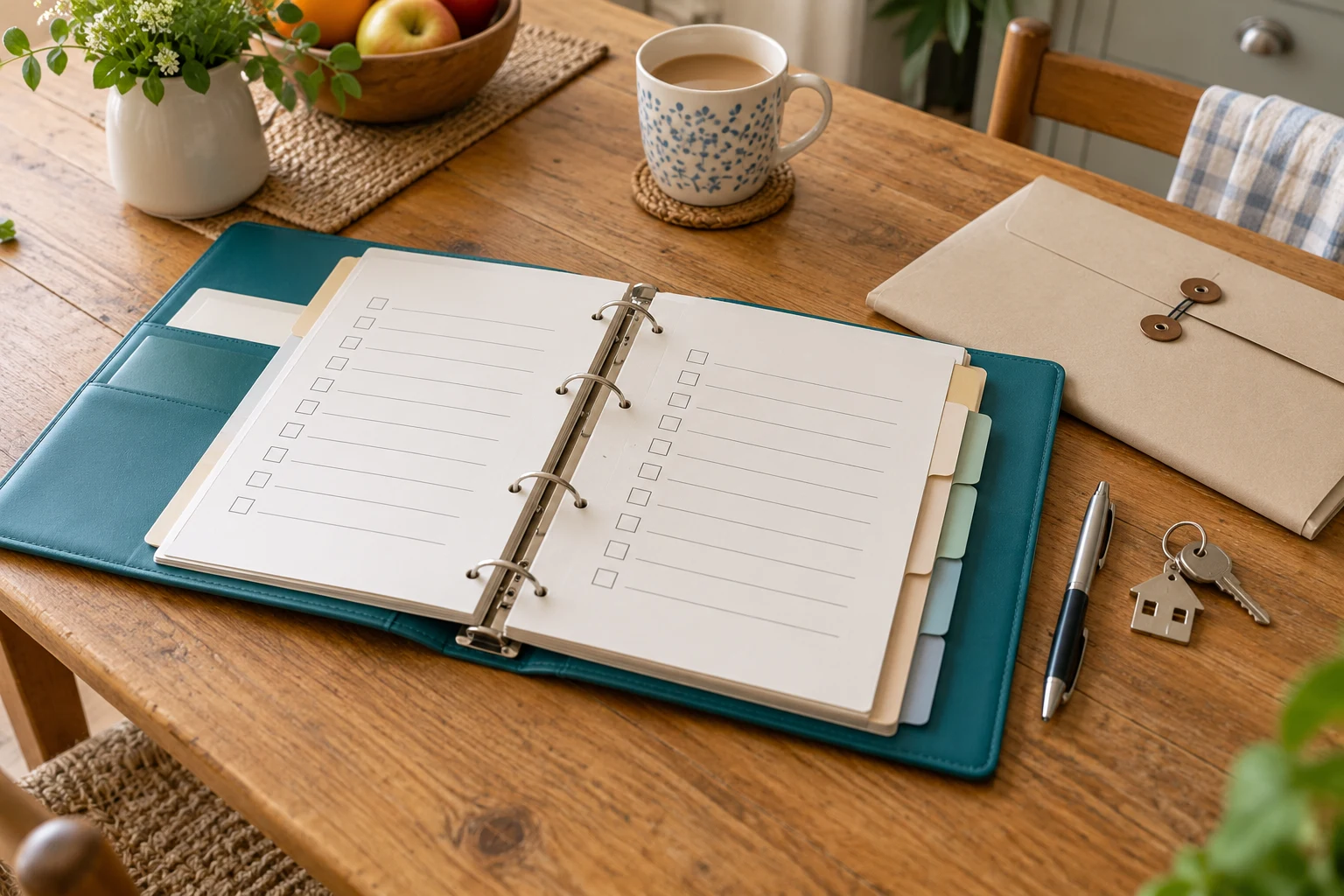
If you were unexpectedly away from home tonight, could someone find your emergency contacts, arrange care for your pets and work out which household tasks cannot wait? Often, the information exists, but it is scattered between a phone, an email inbox and one person's memory.
A family emergency binder brings the essentials together. You do not need to complete it perfectly in one sitting. Start with the information someone would need first, then build a fuller record over several short sessions.
This family emergency binder checklist explains what to include, what to leave out and how to make the finished folder useful to the people you trust.
Prefer a guided starting point? Explore our Family Emergency Binder — If Something Happens Tomorrow, which brings the guide and printable planning resources together.
Get the Family Emergency Binder on Payhip (opens in a new tab)What is a family emergency binder?
It is an organised collection of household information, short instructions and document locations. It can help during an unexpected hospital stay, a family crisis or disruption that means someone else needs to step in.
Think of it as a practical handover. It should answer three questions: who should be contacted, what needs attention and where can the necessary information be found?
The UK Government's Prepare guidance recommends making a household emergency plan and keeping important documents easy to gather. Your binder can support that preparation, but it does not replace professional advice or official emergency instructions.
Your family emergency binder checklist
Use these eight sections as a starting structure. Leave out anything that does not apply to your household, and clearly mark information you still need to confirm.
1. A one-page “start here” sheet
Put the most immediately useful information at the front:
- Your household address and the names of people living there.
- The first person to contact and an agreed backup.
- Any children, dependent adults or pets needing prompt attention.
- Where to find the health summaries and care instructions.
- The date the information was last checked.
Use plain descriptions: “Maya, our neighbour and agreed dog-care contact” is more useful than an unexplained first name. Avoid putting sensitive account details on this opening page.
2. Emergency contacts and communication arrangements
List trusted relatives, friends and relevant professional contacts, with their roles and current telephone numbers. Include schools, care providers, your GP practice and veterinary practice where appropriate.
Ask before naming someone as a helper. Check what they can realistically do and when they are available. A relative three hours away may coordinate calls but be unable to collect a child.
Record how the family will check in if separated, an agreed meeting place where appropriate, and an alternative contact if the first person cannot respond. Keep essential numbers available on paper as well as on phones.
3. Health information for each person
Create a separate, dated summary for each household member who agrees to have one. Include relevant conditions, known allergies, current prescribed medicines, GP and pharmacy contacts, and the location of existing care plans.
Copy medication details accurately from current records, including the prescribed instructions. If something is unclear, ask the pharmacist or care team; do not guess or use the binder to change treatment.
Where relevant, record communication preferences, mobility needs and medical equipment supplier contacts. A short, accurate summary is easier to use than a thick collection of outdated appointment letters. Share personal health information only with appropriate people.
4. Children, dependent adults and pets
Write down the practical arrangements that keep everyday care working: school contacts, agreed collection procedures, care-service details, important routines and backup helpers.
If you support another adult, involve them in planning wherever possible. Carers UK's contingency-planning guidance is a useful companion for agreeing who to contact and recording care needs. Naming someone in a folder does not confirm that they have accepted the role.
For pets, include feeding instructions, veterinary contacts, existing medication instructions and an agreed carer. Explain any handling needs, such as a dog that must be walked alone. Keep private access arrangements separate from information shared widely.
5. Household bills, accounts and insurance
Build a directory rather than copying your entire financial history. Record essential providers, payment dates, policy references where needed, contact details and where full documents are stored.
- Rent or mortgage information and relevant contacts.
- Utilities, broadband and other essential services.
- Home, vehicle and other relevant insurance policies.
- Bank, pension and investment providers, with document locations.
- Regular commitments that would need attention during your absence.
Explain which payments are automatic and which require action. Do not include PINs, card security codes or an unprotected password list. Finding an account is different from being authorised to operate it; arrange any necessary permissions through the provider's proper process.
6. Important documents and recorded wishes
Make a location index for identity documents, certificates, your will if you have one, relevant powers of attorney and other formal arrangements. Note the professional or organisation holding originals, plus their contact details.
You can also record personal wishes and the location of any formal healthcare decisions. Keep informal preferences clearly distinguished from legally effective documents.
In England and Wales, lasting powers of attorney have separate health-and-welfare and property-and-financial-affairs forms. The official LPA guidance explains their scope. Different arrangements apply elsewhere in the UK. A completed binder does not create a power of attorney or replace a valid will.
7. Home inventory and practical household information
Record useful repair contacts, landlord or managing-agent details, vehicle information and where appliance paperwork is kept. Include the location of a household inventory, receipts and photographs of significant possessions.
Start the inventory one room at a time. Clear photographs, descriptions and serial numbers can help you identify what you own. Insurers set their own evidence requirements, so keep relevant policy documents and check what your provider needs.
If you are building a wider household routine, our First-Time Homeowner Maintenance System can help you organise maintenance alongside these emergency records.
8. Disruption plans and a review record
Add your agreed communication, care and transport arrangements for household disruption. Note any support needs and where essential supplies are kept. Follow incident-specific official instructions; never delay leaving danger to collect paperwork.
A binder and a grab bag serve different purposes. The binder organises information; the bag holds portable essentials. Our UK Emergency Grab Bag Checklist explains how to prepare the practical supplies alongside your records.
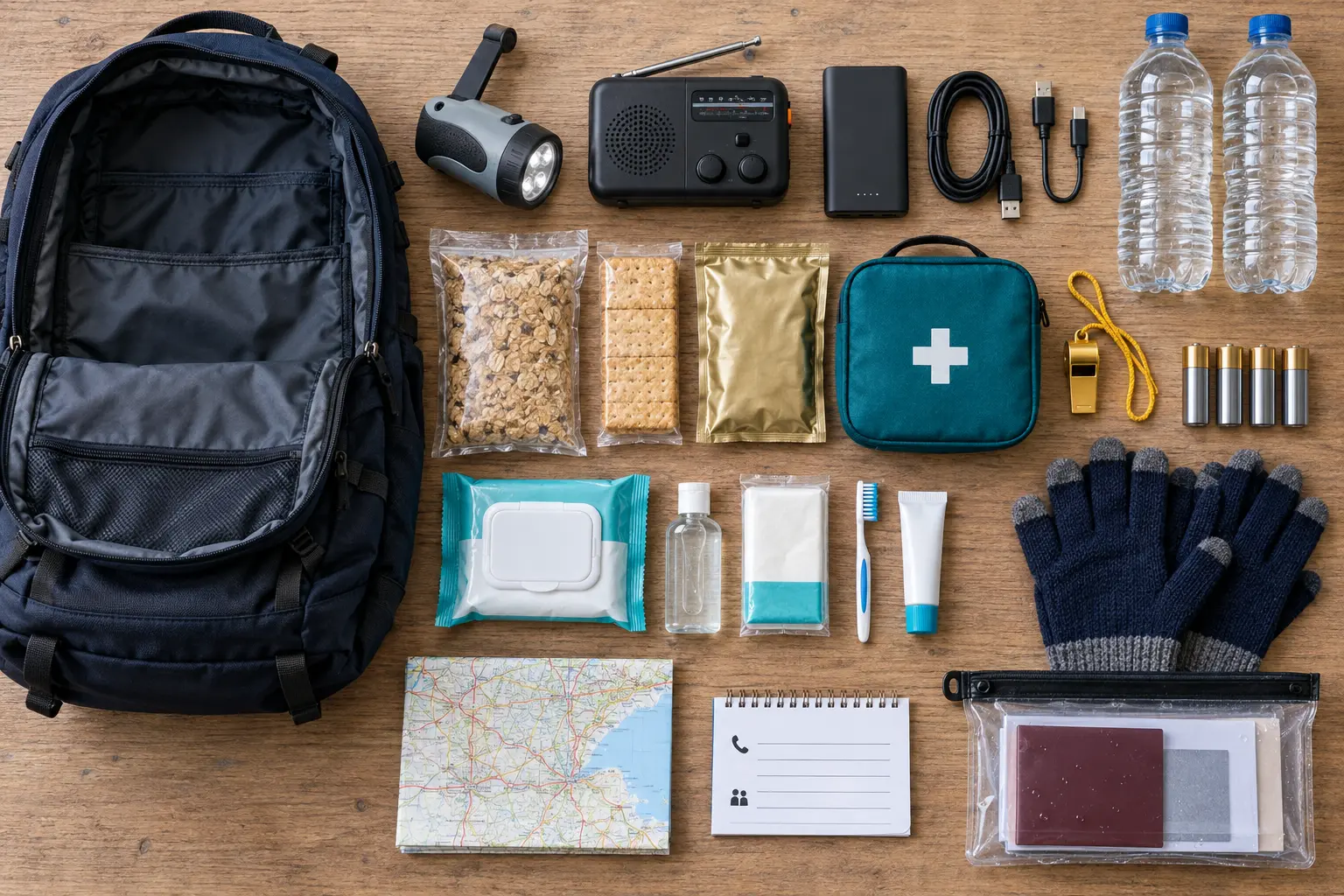
Finally, add a review page showing when each section was checked and who maintains it. This makes gaps and outdated information easier to spot.
Where to start: your first 30 minutes
You do not need special stationery. A folder, a few dividers and clearly labelled pages are enough for a first version.
- First ten minutes: write the start-here sheet and confirm your main and backup contacts.
- Next ten minutes: identify urgent care needs and the location of current health information.
- Final ten minutes: list where important documents are kept, choose secure storage and tell one trusted person how to find the folder.
Then list unfinished tasks. “Confirm insurer contact” is a useful next action; guessing a number is not. Set aside another short session for bills, pets and the document index.
For example, a couple might finish contacts on Monday, health summaries on Tuesday and household services on Wednesday. Small, accurate additions produce a more useful binder than an ambitious folder abandoned halfway through.
Keep it secure, accessible and current
A binder contains private information, so choose storage that protects it while allowing agreed helpers to find what they need. Avoid an obvious public-facing location, and do not give every helper the complete folder. A pet sitter usually needs care instructions and contacts, not financial records.
Paper, digital or a combination can work. For digital copies, use protected storage and an agreed access arrangement; avoid public sharing links. Keep a small offline contact summary in case your device or connection is unavailable.
Schedule a review every few months and update important changes promptly. Check after a move, a medication change, a new care arrangement or an insurance renewal. Remove superseded working copies carefully, while keeping records you are required to retain.
If moving abroad is part of your plans, our UK-to-France six-month checklist covers the wider relocation tasks. Refresh your emergency contacts and document locations as arrangements change.
Finally, ask a trusted person to find three things: the main contact, a care summary and an insurer's details. If they struggle, simplify the labels. The goal is a folder someone else can actually use.
A manageable step towards a better-prepared household
You do not have to anticipate every emergency. Begin by making essential information easier to find and agreeing who could help. Complete the first page today, choose your next small task and build from there.
Written for general household organisation. Sources checked 9 October 2026: UK Government Prepare, GOV.UK lasting power of attorney guidance and Carers UK, linked above. Use qualified advice for individual legal, medical or financial decisions.
Frequently asked questions
Should I put original documents in my emergency binder?
Usually, a location index and selected copies are more practical. Keep originals appropriately protected and explain how an authorised person can locate them. Requirements for original or certified documents vary by purpose.
Is a digital emergency binder enough?
It may suit your household, provided authorised helpers can access it securely. A short paper contact sheet is useful if a phone, battery or internet connection is unavailable.
Do I need one if I live alone?
Yes, it can still be useful. Focus on trusted contacts, essential health information, pets, household responsibilities and an agreed way for helpers to locate necessary records.
How much information should I include?
Include what someone needs to help, plus clear pointers to fuller records. Avoid unnecessary sensitive details and old paperwork that makes current information harder to find.
Can the binder replace a will or power of attorney?
No. It organises information and records locations and preferences. Formal legal documents have their own requirements, which depend on your jurisdiction and circumstances.
Take your first practical step
Bring your household information together
Get the Family Emergency Binder — If Something Happens Tomorrow and work through the guide, action plan and printable resources at your own pace.
Buy the Family Emergency Binder on Payhip (opens in a new tab)Explore the blueprint collection for guides, planners and practical worksheets.