
Gardening Business Startup
Can You Start a Gardening Business Without Professional Experience?
A practical UK guide to starting a gardening business honestly and safely when you have useful skills but no professional gardening background.
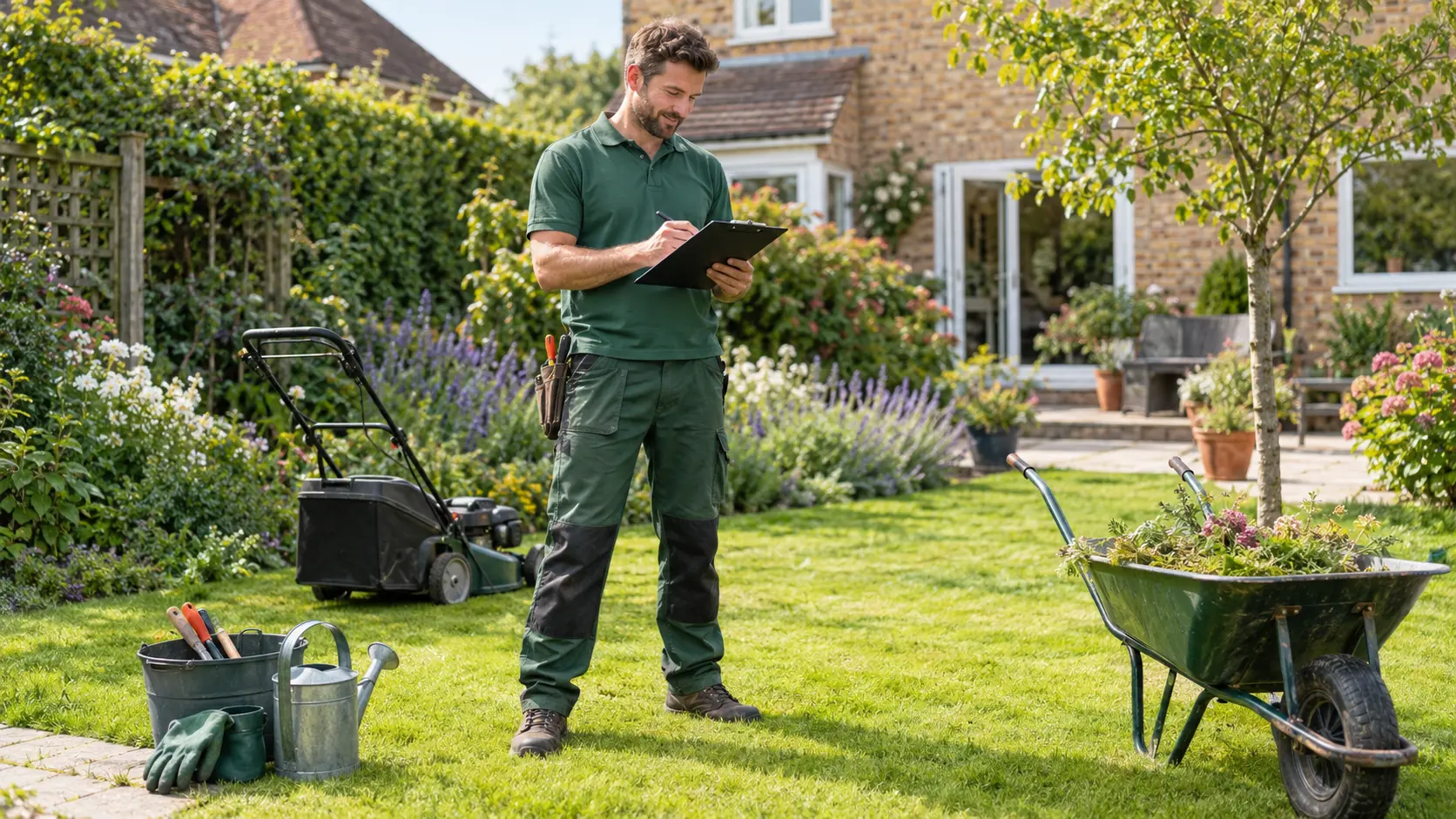
Yes, you may be able to start a gardening business without previous professional experience—but you must be honest about what you can do, begin with suitable work and build competence before accepting more demanding jobs.
Many people already have useful practical experience from maintaining their own garden, helping family members, growing vegetables or using basic tools. That experience is a starting point, not automatic proof that every gardening service is safe to sell.
This practical UK guide explains how to turn relevant ability into a carefully limited first offer.
Want a structured launch system? The Gardening Business Startup Bundle includes service planning, pricing, safety, marketing and customer-management resources.
Get the Gardening Business Startup Bundle — £9.99 on Payhip (opens in a new tab)What counts as experience?
Professional experience is not the only evidence that you may be ready for simple work. Consider practical tasks you have completed repeatedly and can explain clearly: weeding, planting, mowing, edging, seasonal tidying or maintaining containers.
Ask yourself whether you can recognise when a job is beyond you, work safely, estimate time, use equipment correctly and leave the customer’s garden in an agreed condition. If the answer is uncertain, place that task on a learning list rather than advertising it immediately.
Start with a narrow service
A beginner should avoid presenting themselves as an all-purpose gardener. Choose one core offer and perhaps one or two related additions.
- Hand weeding and routine border maintenance.
- Planting and refreshing containers.
- Leaf collection and clearly scoped light tidy-ups.
- Mowing and edging, if you can use and maintain the equipment safely.
- Holiday watering visits with written instructions.
Keep tree surgery, high hedge work, major landscaping, specialist lawn treatments and pesticide applications outside the initial offer until you have the relevant skills, training, equipment, insurance and legal checks.
Test your skills before taking payment
Practise unfamiliar tasks in your own garden or with permission elsewhere. Time a realistic session and include setup, tool cleaning and clearing away. Ask someone you trust to look at the result and point out anything you missed.
Build a small evidence record: photographs of your own work, notes about the task, the time taken, tools used and what you would improve. Do not present private practice work as customer work or invent testimonials.
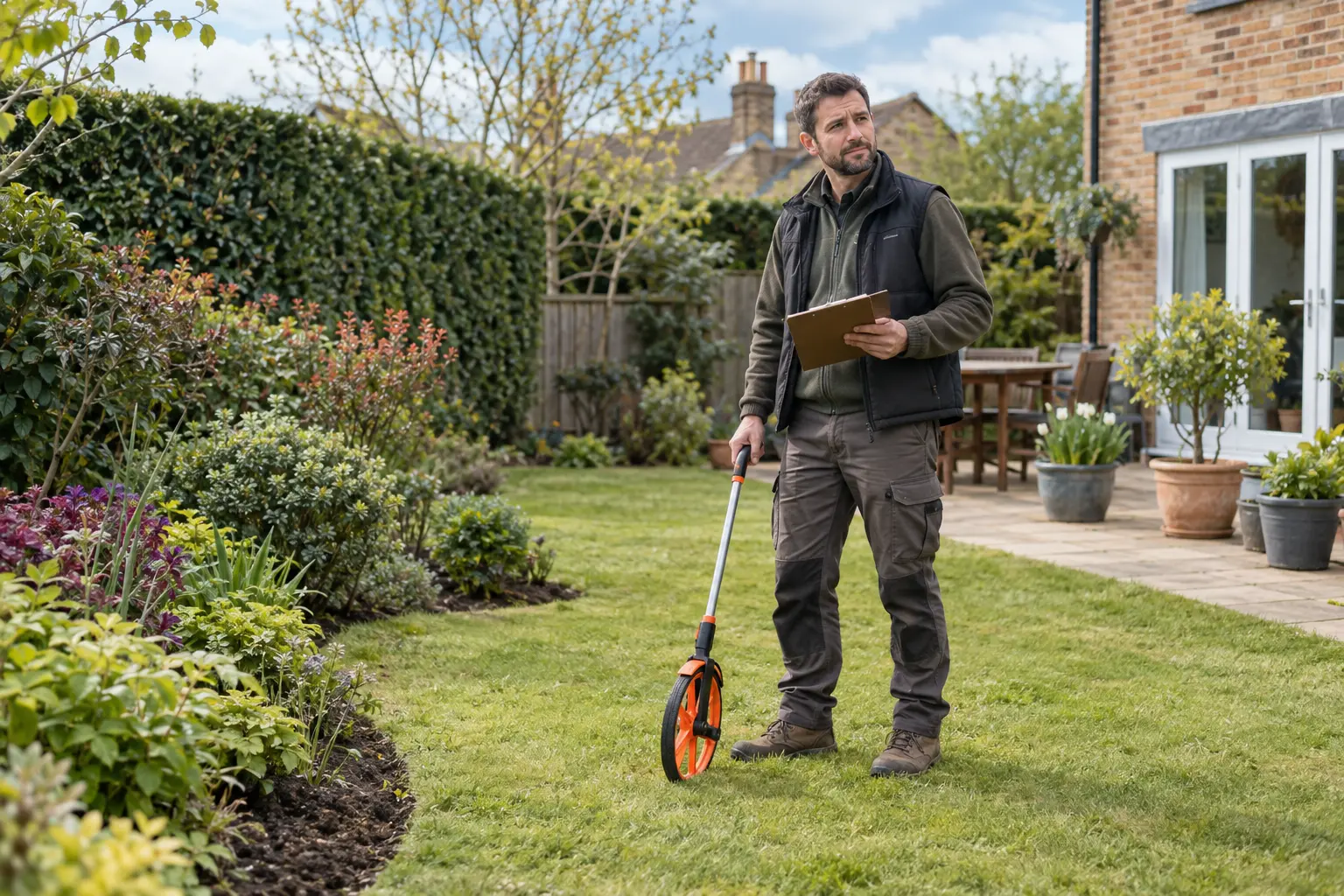
Know which work needs extra competence
Gardening includes tasks with very different risks. A hand-weeding visit is not equivalent to operating powered machinery, working at height, handling chemicals, removing dangerous trees or carrying out construction.
Do not let a customer’s request pressure you into experimenting. Explain your limits and recommend an appropriately competent specialist. Treat unfamiliar work as a possible future learning goal, not as a job to learn on without supervision.
Check insurance and business requirements
Contact insurers before accepting work and describe your actual services accurately. Public liability cover is not a blanket guarantee that every activity is included. Check exclusions, limits, excesses, tools, vehicles and any conditions about training or safe working.
If you use a vehicle for business, confirm appropriate motor cover. If you employ someone, employers’ liability insurance is generally compulsory, subject to exceptions. Keep income and expense records from the beginning and check current GOV.UK requirements for your circumstances.
If you carry customers’ garden waste, check the current registration and disposal requirements for your UK nation. Agree waste arrangements before quoting rather than treating removal as a free extra.
Buy equipment gradually
You do not need a professional landscaper’s equipment list to offer a hand-tool service. Begin with tools suited to booked work: perhaps a sound spade, fork, rake, hoe, trowel, secateurs, broom, gloves and collection bags.
Inspect second-hand tools carefully and budget for maintenance. Delay specialist machinery until actual work demonstrates a need. Our guide to gardening business startup costs explains how to separate essential spending, recurring costs, job-specific costs and reserves.
Set prices from the whole job
New gardeners sometimes charge very little because they are still gaining experience. A modest introductory offer can be sensible, but your price still needs to account for travel, administration, insurance, equipment, clearing up and time that the customer does not see.
Simple pricing check
If a £90 visit involves two hours gardening, 30 minutes travel, 20 minutes of messages and quoting, and 10 minutes of cleaning tools, it uses more than three hours of your working time. Compare the payment with the complete time and direct costs before deciding whether the service is sustainable.
Read our guide to calculating a self-employed gardener’s hourly rate before setting a public price. The aim is not to pretend you are experienced; it is to avoid building a service that loses money.
Tell customers the truth professionally
You do not need to lead every advert with what you lack. Describe the service you can genuinely provide: “Reliable local garden maintenance for small gardens, specialising in weeding, planting and seasonal tidying.”
Be clear about exclusions, the area you cover, minimum visits, waste arrangements and how quotes work. If asked about experience, explain your relevant practical background honestly and say which tasks you are currently offering.
Build confidence through suitable first jobs
Choose gardens with manageable access, clear boundaries and customers who understand the limited scope. Inspect before quoting where possible. Confirm what should be done, what should remain untouched and how the finished result will be judged.
After each job, record quoted time, actual time, travel, materials, waste, payment and customer feedback. Ask whether you would want five similar bookings next week. If not, change the service before expanding.
A sensible first-month plan
- Week one: list your actual skills, exclusions, available hours and local working area.
- Week two: practise the core tasks, check insurance and price essential equipment.
- Week three: prepare a simple service description, quotation template and waste arrangement.
- Week four: test a small number of suitable enquiries and review the figures.
Starting alongside another job is possible for some people, but reserve time for travel, communication, bookkeeping, weather delays and equipment care. A diary that is too full leaves no room to learn.
Frequently asked questions
Do I need gardening qualifications?
Not every basic gardening service requires a formal qualification, but requirements depend on the work and location. Qualifications, training and supervised practice may be important for specialist or higher-risk tasks. Check current requirements and insurance conditions.
Can I call myself a gardener without professional experience?
You can describe the service you genuinely provide, but do not imply qualifications, experience or specialist competence you do not have. Clear boundaries build more trust than exaggerated claims.
What is the safest service for a beginner?
There is no universal answer. Familiar hand weeding, planting or light tidying may suit some beginners, while others may have stronger mowing or growing experience. Choose from demonstrated ability and safe working arrangements.
Should I work for free to gain experience?
Practice and supervised learning can be useful, but do not promise unpaid work casually or use it to avoid proper agreements. Make sure the arrangement, responsibilities and safety expectations are clear.
When should I expand my services?
Expand when you have the competence, equipment, cover and repeatable evidence to deliver the new work properly. Customer demand alone is not enough to cancel a safety gap.
Start honestly. Learn deliberately. Build sustainably.
Plan your first gardening service with confidence
The Gardening Business Startup Bundle helps you choose suitable services, calculate costs, prepare customer paperwork and organise your first year.
Buy the Gardening Business Startup Bundle — £9.99 on Payhip (opens in a new tab)Guidance checked September 2026. This article provides general business information, not individual tax, legal, insurance, waste or health-and-safety advice. Confirm current requirements with GOV.UK, the relevant regulator and appropriately qualified advisers.
Explore the blueprint collection for guides, planners and practical worksheets.